
Resources
Designed for strata corporations across the Lower Mainland, these resources address what every council needs to be aware of, and provide clear answers to the questions councils encounter most frequently.
For Strata Councils
The Components Of Managing A Strata Corporation in British Columbia
Effective strata property management requires a working knowledge of budgets, bylaws, meetings, and long-term planning, much of which is learned through experience. We have gathered the essentials here, drawn from the questions councils ask most often, to provide a clear and practical starting point. For matters specific to the building, the strata corporation's bylaws and the Strata Property Act remain the definitive reference.
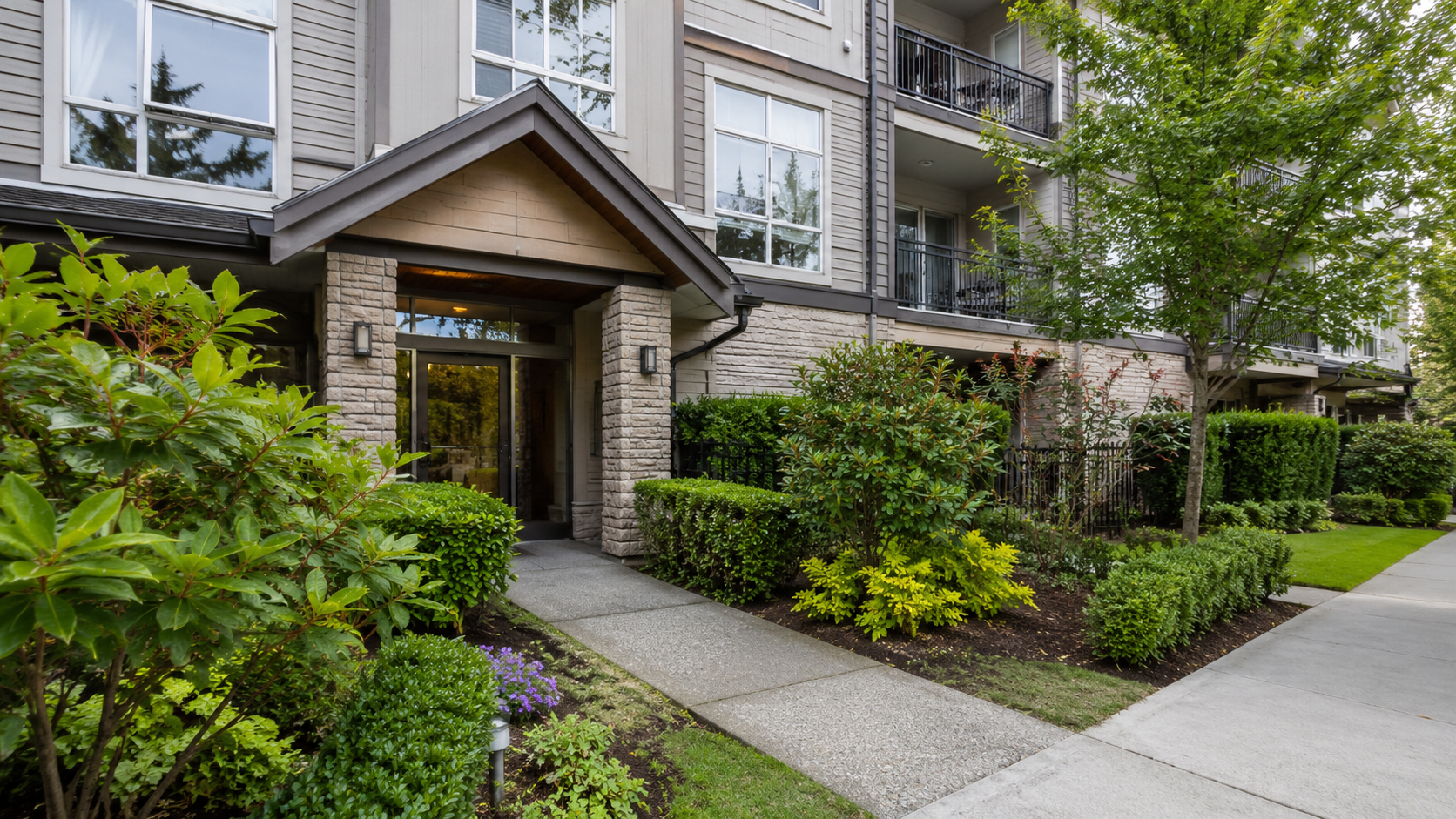
The Components for Strata Property Management
Strata essentials, in plain language.
The Operating Fund
The Operating Fund covers the everyday costs of running the building (utilities, janitorial, landscaping, insurance, routine and preventative maintenance) as set out annually through the budget approved by owners at the Annual General Meeting.
The Contingency Reserve Fund
The Contingency Reserve Fund (CRF) is a dedicated fund account used to cover large, infrequent, or unexpected expenses: major capital projects that occur less than once a year (e.g., roof replacements, elevator upgrades, boiler replacements, building envelope upgrades, exterior painting and other projects). In British Columbia, strata corporations are legally required to maintain this fund to pay for major projects so that owners are not exposed to unexpected special levies.
Depreciation Reports and Electrical Planning Reports
Sections 94 and 94.1 of the Strata Property Act set out the requirements for two important planning tools: the Depreciation Report and the Electrical Planning Report. A Depreciation Report identifies the current status of the Contingency Reserve Fund (CRF) and establishes a long-term funding plan for the anticipated costs of major repairs and replacement of common property components and assets. It gives every council the foundation needed to budget ahead and avoid unexpected special levies. An Electrical Planning Report provides a comprehensive evaluation of the building's electrical capacity and future needs: assessing current consumption, projecting future demand based on trends like EV charging and electrified heating, identifying limitations, and providing practical recommendations for upgrades or load management. For strata councils, it is a forward-looking planning tool that informs both the annual budget and long-term capital decisions.
Bylaws And Rules
Bylaws form the strata corporation's primary governing document, addressing how the building is administered and how owners and the council conduct themselves. They are filed at the Land Title Office and are legally binding. Rules serve a narrower purpose, governing the day-to-day use of common property.
Annual General Meetings
Section 40 of the Strata Property Act requires every strata corporation in British Columbia to hold an Annual General Meeting (AGM) no later than two months after the fiscal year-end. The AGM is the strata corporation's annual meeting at which owners approve the upcoming budget for the operating expenses, elect the strata council, and vote on any resolutions that are needed to change bylaws or deal with major projects requiring the approval of funds.
Resolving Disputes
Most strata disputes in British Columbia are resolved outside of the courts, through dispute resolutions, the Civil Resolution Tribunal and, in some cases, through the Human Rights Tribunal.

Analysis of the State of Strata Industry
Drawing on more than 25 years of first-hand industry experience, we have conducted a thorough analysis of the challenges facing strata management today. Our findings are captured in our eBook -
BC Strata Management - The State of the Industry - an in-depth exploration of the conditions that have led to the current crisis and the reasons behind the shortage of qualified strata property managers.
Frequently Asked Questions
A healthy reserve fund is one that can cover your building’s major repairs and
replacements as they come due, without forcing a special levy each time. A
current depreciation report is the best tool for judging this, since it lays out
what is coming and roughly when. If your reserve looks thin against what the
report projects, that is worth addressing early.
Look for proper licensing and insurance, references from similar strata
projects, and a clear written scope of work before anything begins. For larger
jobs, getting more than one quote, and on significant projects bringing in
independent oversight, protects the strata and helps you compare fairly.
Send proper notice within the timelines your bylaws require, prepare the budget
and any resolutions in advance, and make sure owners have what they need to vote
with good information. A well-prepared agenda keeps the meeting focused and the
decisions clean.
Trusted By Strata Councils
What Strata Councils Say About Working With Us

“Kevin was our first choice hands down! He helped guide us through some very difficult times and definitely taught me a lot about Council leadership. … I found him to be exceptionally knowledgeable about building structure issues, reputable contractors, and is one of the most ethical people I have met.”
I met Kevin O’Donnell 10 years ago when I suddenly found myself in the position of Strata President in the new condo that I had moved into only a year prior. Being the first condominium I had ever purchased, I had no experience with Strata bylaws nor an understanding of the BC Strata Property Act, and most certainly no experience of being the President of this small self-managed Strata. Very quickly, several problems began to surface, and the Council decided perhaps we should contact CHOA for some advice. Their recommendation was to hire a part-time management firm to help us out, and gave us a few names of reputable companies that included All Property Consulting Inc.
After interviewing all three recommendations, Kevin was our first choice hands down! All I can say is that he was a lifesaver to not only me but to the entire Council! He helped guide us through some very difficult times and definitely taught me a lot about Council leadership. Not only did I find Kevin to be a good teacher of strata laws, I found him to be exceptionally knowledgeable about building structure issues, reputable contractors, and is one of the most ethical people I have met! He is totally committed to doing the “right” thing and ensuring that Council understood and followed all the bylaws. His attendance at Council meetings always provided us with good advice and proper guidance yet ensuring that it was always Council who made the final decisions.
I highly recommend Kevin O’Donnell and All Property Consulting Inc. without hesitation, to manage any aspect of your Strata needs! You won’t be sorry!!!
Dr. Salme Lavigne
Strata President, 2016-2022
Want To Know More About Managing Your Strata Corporation?
We welcome the opportunity to meet with the council in-person, do a walk-around of the complex, and take the time to understand the building and its management needs. During the same visit, we can offer recommendations, answer questions, and explain how we work with strata corporations.